Case study · Software and SaaS
Autolensio: from customer call to deployed fix
Autolensio is our own data platform for car dealers in Bulgaria. It runs the full Elev8x approach in production: onboarding and follow-up emails, call analysis that turns feedback into tasks, and a digital worker that has AI agents fix, test and deploy the approved work.
Our own product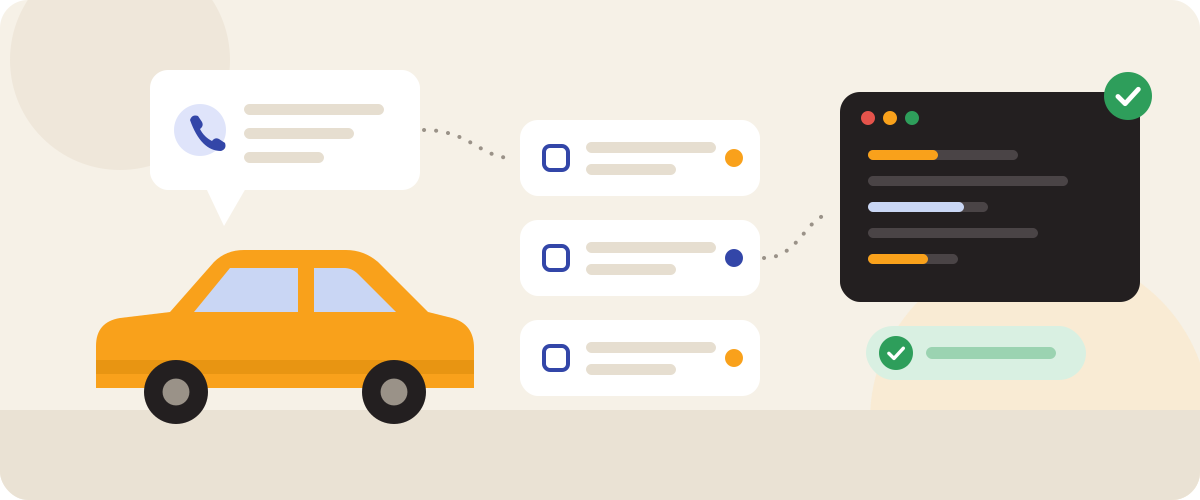
From sign-up to deployed fix
Every new user
- Signs upUser
- Welcome emailCode
- Follow-ups based on searchesAI
- Suggested searches by email and in the appAI
Every customer call
- Customer manager calls the customerCustomer manager
- AI analyses the conversationAI
- Tasks and defects draftedAI
- Accepted or adjustedCustomer manager
Every approved task
- The digital worker picks up tasks that meet the criteriaDigital worker
- Developer agent writes the fixAI
- QA agent tests itAI
- DeployedCode
The problem
Two things cost a growing SaaS business the most: new users who sign up and hear nothing, and customer feedback that ends up in call notes. Turning a call into tickets, fixes and a release usually takes days of manual work, and much of it never happens.
What we built
Onboarding that follows each user. Every new user gets a welcome email as soon as they register. Follow-up emails are based on what they search, and suggested searches appear by email and in the app, based on each user’s preferences.
Feedback that turns into tasks. After each customer manager call, AI analyses the conversation and drafts tasks and defect reports. The customer manager accepts or adjusts them, so nothing is created without a person’s approval.
Tasks that turn into deployed fixes. Approved tasks that meet the set criteria are picked up by the digital worker. A developer agent writes the fix, a QA agent tests it, and the change is deployed.
The result for the business
- Every sign-up gets a personal welcome and relevant follow-ups, without anyone writing emails.
- Customer feedback becomes tracked work right after the call, instead of staying in notes.
- Routine fixes go from conversation to production through the agents, while people decide what gets built.
- The customer manager spends time with customers, not writing tickets.
Why it matters for your business
The same pattern works for any team that onboards users, talks to customers and ships changes: software companies, service providers and account teams. Start with one step, for example call notes into tasks, and connect the rest once it proves itself.
Related
Which decision costs your team the most hours?
Tell us in a 30-minute call. You get a map of that decision and a fixed price to automate it. No slides, no obligation.